


The Turkmenistan delegation visited the National Museum of China in Beijing, after the 9th meeting of the Subcommittee on Humanitarian Cooperation within the framework of the Turkmen-Chinese Intergovernmental Committee on Cooperation.
During the visit, the Turkmen delegation became acquainted with a special exhibition dedicated to the Year of the Horse according to the Chinese calendar. The exhibition focused on the historical and cultural role of the horse in the development of Chinese civilization and highlighted its significance as a symbol of strength, nobility, progress, military valor, artistic inspiration, and civilizational connections.
Particular interest was drawn to the fact that, as part of the guided tour, the importance of equestrian culture in fostering contacts between the peoples of Eurasia was emphasized. In this context, a historical parallel was drawn with the Turkmen national tradition of horse breeding. It was noted that the finest horses of Central Asia have been highly valued since ancient times for their beauty, endurance, and speed. This emphasis resonates with the worldwide fame of the Akhal-Teke horses—Turkmenistan’s national heritage—renowned for their elegance, nobility, exceptional speed, and remarkable stamina.
The exhibition was organized thematically, covering the horse’s connection with civilizational development, ritual culture, chariot traditions, artistic representations of horses, and their role in expanding historical ties between the East and the West. The displayed materials vividly demonstrated the important place the horse occupied in the social, military, artistic, and spiritual life of China.
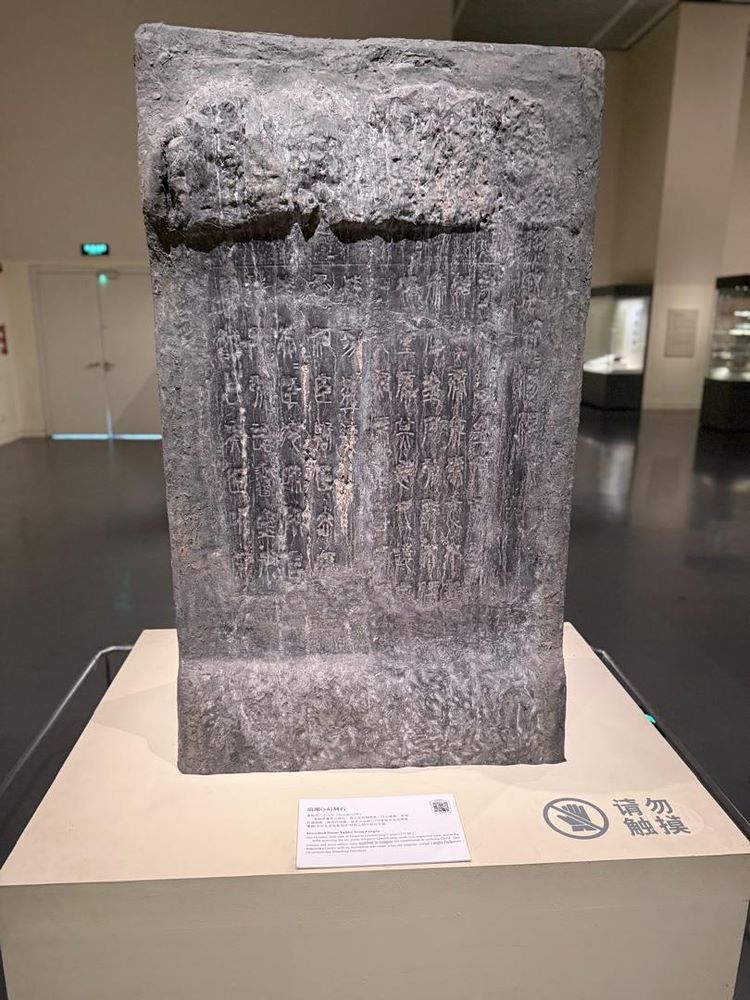
After viewing the special exhibition, the Turkmen delegation also explored several halls of the National Museum of China’s permanent collection dedicated to the country’s ancient history. The halls presented archaeological artifacts from various stages of Chinese civilization—from the earliest forms of human culture and Neolithic art to the Bronze Age and the formation of centralized states. Special attention was given to early Chinese historical monuments, ancient ceramics, bronze ritual vessels, stone inscriptions, as well as terracotta figures and horses from the Qin period.
The museum visit became an important part of the cultural program for the Turkmen delegation’s stay in Beijing and allowed them to gain a deeper understanding of the rich historical and cultural heritage of the People’s Republic of China. Such events contribute to strengthening mutual understanding, developing humanitarian ties, and expanding cultural dialogue between Turkmenistan and China.
Comments